
The Scale Was Never Built for Lipedema
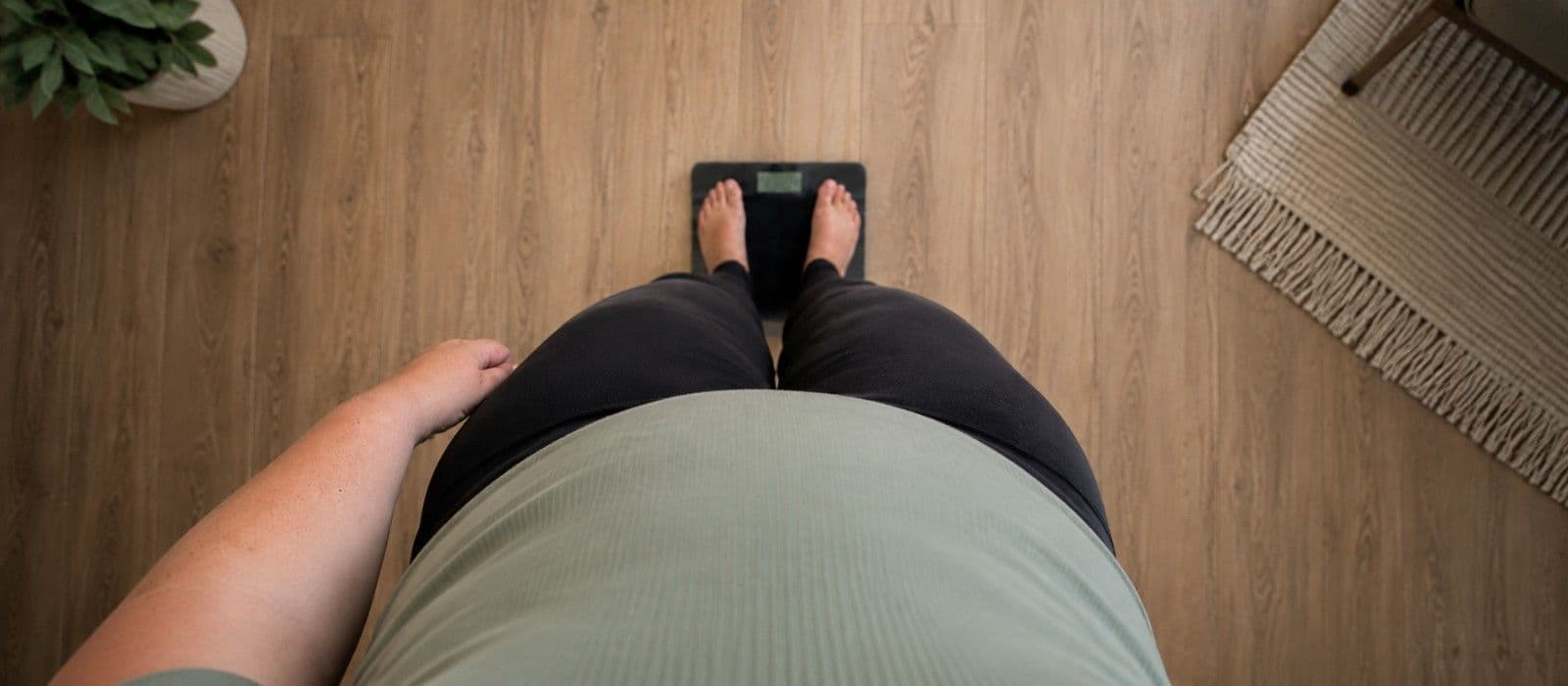
Here is a scene most women with lipedema know by heart. Two weeks of doing everything right: compression worn daily, walks taken, meals chosen carefully, sleep protected. Then a step onto the bathroom scale, a number that hasn’t moved, and the quiet, familiar deflation that follows.
The problem in that scene is not you, and it is not your two weeks of effort. It is the instrument. A bathroom scale measures the total pull of gravity on your body and nothing else. It cannot tell fluid from fat, fat from muscle, or a flare from a Tuesday. For a condition defined by fluid shifts, tissue changes, and inflammation, the scale is close to the least informative tool in your house, and yet it is the one most women consult like an oracle.
We’ve written before about why we don’t do the “R word” around new year’s resolutions. This is the companion piece: if the scale isn’t the judge, what is?
Why Weight Misleads in Lipedema
It helps to understand exactly how the scale lies to you, because it lies in both directions.
It punishes false alarms. Fluid in lipedema can swing noticeably within a single day: heat, hormones, salt, inflammation, travel, and standing time all move water in and out of tissue. A number that jumps overnight is almost never new fat, because fat simply cannot accumulate that fast. It is water, and it will move again.
It also hides real wins. Lymph-friendly movement builds muscle while tissue health improves, and muscle is denser than fat. A woman whose legs are less painful, whose swelling is down, and whose stamina is up can easily weigh the same as she did months earlier. On the scale, all that progress rounds to zero. In her actual life, everything has positively changed.
Research on lipedema consistently notes that symptom severity does not track neatly with body weight, which is exactly why clinicians who understand the condition assess it with more than just a scale.
The Measures That Actually Tell You Something
If you want numbers, better ones exist, and they take only minutes.
A tape measure, used consistently. Pick a few sites: mid-thigh, widest calf, ankle above the bone, upper arm if yours are involved. Measure at the same time of day, in the same position, once every week or two (not daily). Circumference tracks tissue and fluid where lipedema actually lives.
Photos, taken for you. Same spot, same lighting, same simple clothing, monthly. Changes that are invisible day to day become obvious across a season. These photos are private data, not judgments.
A symptom log. A line or two, most days: pain out of ten, heaviness, swelling by evening, how easily you bruised, energy level. Patterns emerge within weeks, and this record does double duty at medical appointments, where “my pain is down from sixes to threes since March” is meaningful evidence.
The clothes test. How a specific pair of pants fits at the thigh, or where a boot zipper stops, is a surprisingly useful measure, and every woman with lipedema already knows which garments are her honest ones.
None of these require an app, though apps are fine if you enjoy them. A small notebook does the job. Check out our symptom tracker if you’re not sure where to start.
Two rules make the numbers trustworthy. First, consistency beats frequency: a measurement taken the same way every other Sunday morning is worth more than daily readings taken under changing conditions. Second, judge trends, not single readings and understand that “life happens”. Fluid moves with heat, hormones, inflammation and salt, so any one measurement is like your personal weather report. Three months of measurements is your climate, and climate is what you’re managing.
Wins the Scale Will Never Show
Some of the most meaningful progress in lipedema management has no unit of measurement at all, and it deserves to be counted deliberately.
Walking farther before your legs demand a rest. Getting through a summer without a major flare. Bruises appearing less often. Sleeping through the night. Standing at the end of a workday without the heaviness that used to arrive by mid-afternoon. Wearing compression consistently because it finally fits well. Swimming in public. Saying “I have a chronic condition and I manage it well” without apologizing.
We suggest actually writing these down when they happen, in the same notebook as the measurements. On discouraging days or when our hormones are in flux, that list is the evidence your memory won’t supply. Discouragement is a data problem as much as a feelings problem: the scale offers one number, while the fuller record will tell you the truth.
Progress, Redefined
Managing lipedema is a long game, and long games need scoreboards that reward the right plays. Measurements, symptoms, function, and joy reward exactly the behaviors that actually help this condition: steady movement, consistent compression, calm nutrition, real rest.
You don’t have to throw your scale away, though plenty of women happily have. Just demote it. Let it be one minor data point among many, weighed once in a while and outvoted often. It isn’t the enemy but if stepping on it reliably wrecks your morning, that is reason enough to stop: no tool that undermines your consistency is earning its place in your bathroom.
And bring your new scoreboard to your clinician. A doctor shown a symptom log, a measurement record, and a functional history is being handed a far better picture of your lipedema than any weight chart could offer. You’ll be teaching some of them how this condition should be tracked, and that lesson helps the next woman through the door.
One practical note for those appointments: you can decline to be weighed, or ask to be weighed without seeing or discussing the number, and medical offices handle this request more often than you’d think. If a visit truly requires a weight, a simple “please don’t read it out” preserves both the chart and your peace. For women with a history of disordered eating, which is common in the lipedema community, that small boundary can make the difference between seeking care and avoiding it. Your healthcare should never cost you your stability.
Further Reading
New Year, Same You. We Don’t Say the “R” Word Here
Creating a Lipedema-Friendly Routine (Your Daily Roadmap)
Why Women with Lipedema Often Have a History of Disordered Eating